
Port planning
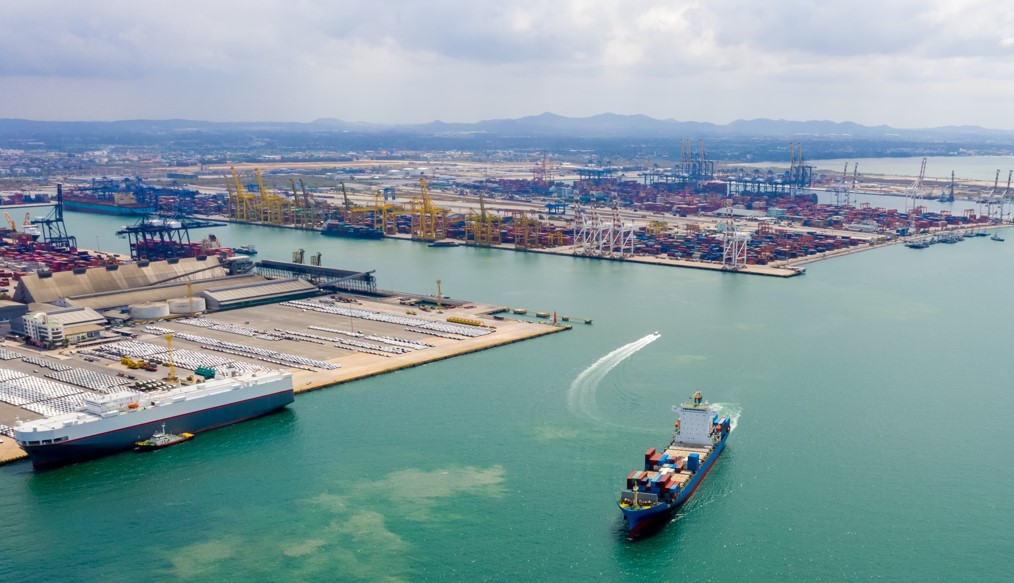
A seaport, river port, or transshipment terminal is a transport hub designed for the transshipment of freight from one transport to another. In the case of a sea or river port, the ship is always present as an end-transport unit for loading or discharging. To transload the cargo from one vehicle to another, the port must have suitable cargo-handling equipment. The port must also have storage facilities sufficient in time and volume for desynchronization of the different transport means coming to port by their own schedules or unscheduled at all.
The port is connected to the world through the infrastructure: roads, railways, and approach canals.
Considering the above, we can describe the port as part of the land and water area interconnected with automobile roads, railroad, and waterways, equipped with all the necessary by type and capacity cargo handling equipment and storages. The storage can be open type, warehouses, silos, tanks, etc. They can be land-based or floating type.
To ensure a port's functioning, the engineering networks, like power supply, communications and automation, water supply, and drainage, also necessary administrative buildings and workshops are equipped. Among others, the phytosanitary, customs, emigration, and other services are functioning as one-stop-shop enabling export-import operations.
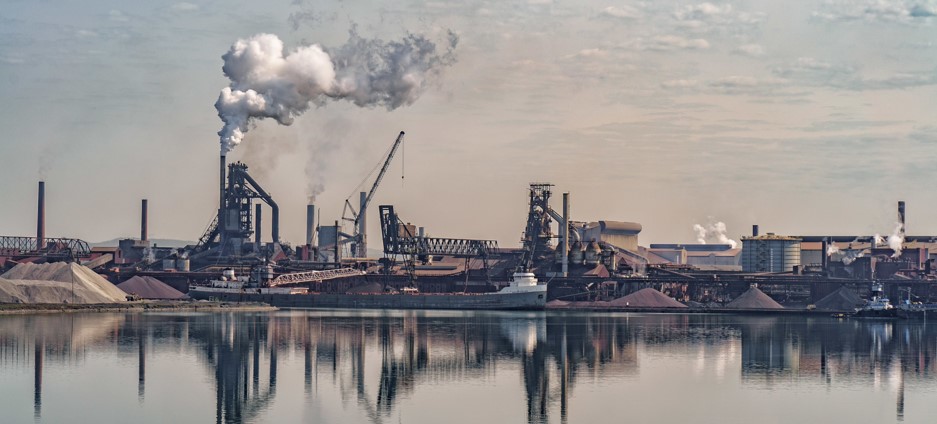
Not only handling transshipment and storage capacities but also small production facilities like oil extraction plant, packing areas, stuffing of containers, etc. may be allocated in port. Sometimes the transshipment terminal may be part of a large enterprise located by the water.
It is clear that the design, or rather the planning of the future port or terminal, is the process of considering a large number of possible options to obtain the necessary throughput capacity while minimizing potential investment and operating costs.
The most expensive are landscaping and hydro-technical works, namely: dredging, construction of breakwaters and berths, land works for leveling sections, strengthening slopes, the foundation works. The rest of the works, like construction or acquire and installation of equipment are a bit less expensive but still quite a significant part of the estimate. Thus, after carrying out bathymetry, geological and geodesy surveys, the design of the port comes down to optimal planning of the territory, the selection of the most effective technologies for transshipment and storage, and the further deployment of engineering networks.
We are engaged in the layout planning and optimization of the most efficient port terminals for specific customer tasks. Examples of such customer tasks: a terminal with a fixed throughput for the lowest possible investment. Or the terminal with the maximum possible throughput for a fixed amount of investment or other optimization order.